
Cheyenne · Casper · Laramie · Gillette · Rock Springs · Sheridan · Jackson

Certified biomedical service — for every Wyoming hospital and clinic.

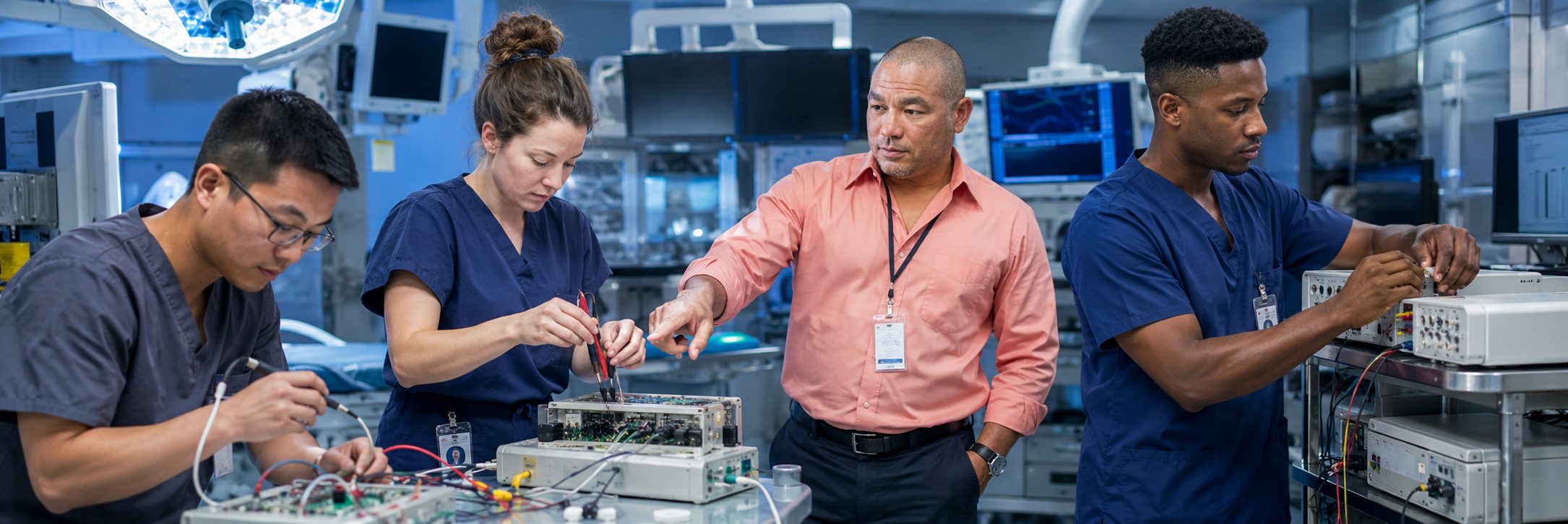
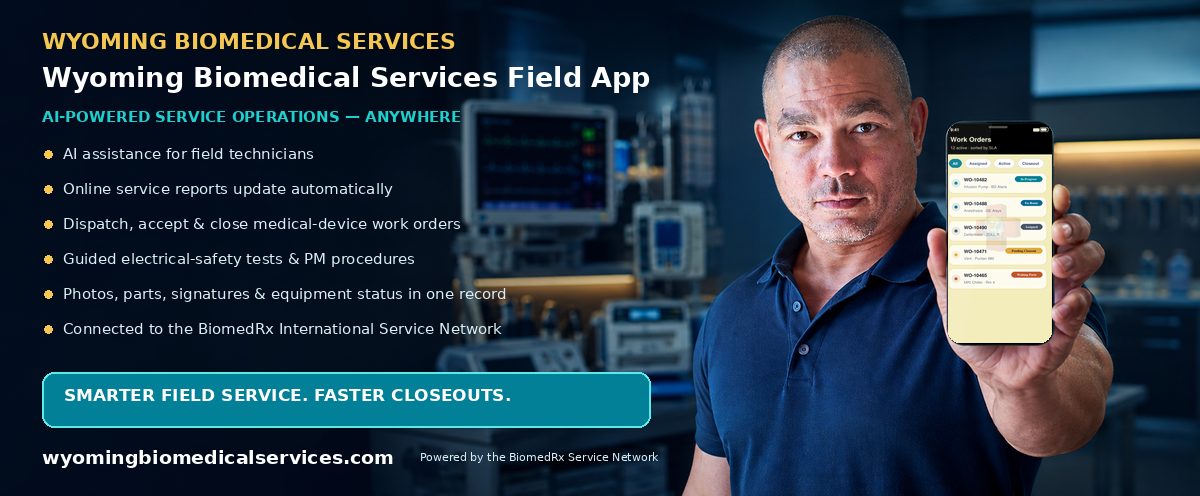
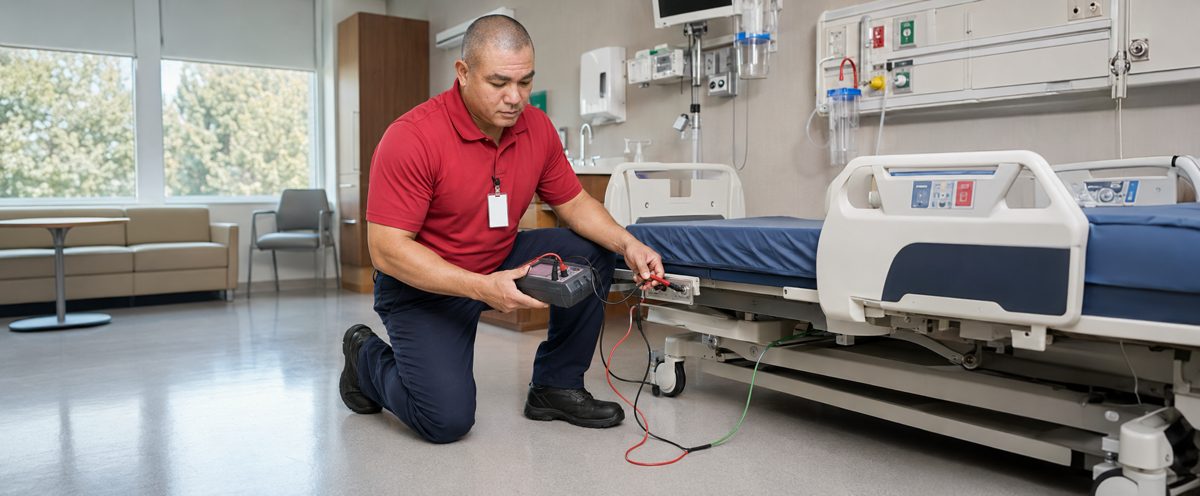
Wyoming Biomedical Services repairs, calibrates, and maintains medical equipment across all modalities — biomedical, medical imaging, and scientific laboratory. From Cheyenne, Casper, and Laramie to the critical-access hospitals and rural clinics along Wyoming's long service routes, we deliver preventive maintenance, electrical safety inspections, and NFPA 99 / Joint Commission compliance documentation you can hand a surveyor.

Wyoming Biomedical Services logo
580K
Wyoming Population
24/7
Tech Support
NFPA 99
Certified Testing
All
Modalities

Service across Wyoming

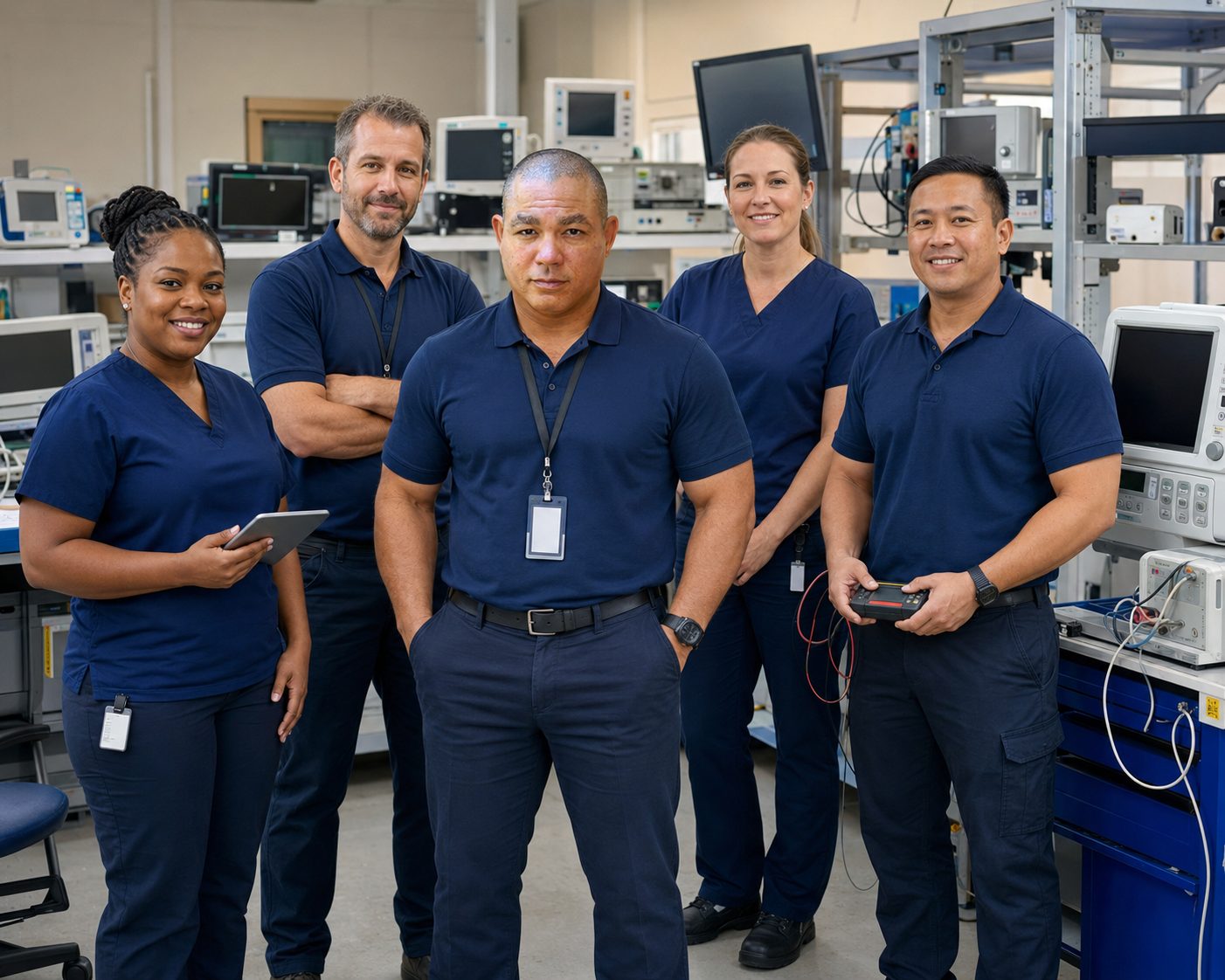
Certified on every modality — biomedical, medical imaging, and scientific laboratory. From the Cheyenne, Casper, and Laramie metros to the critical-access hospitals and rural clinics that anchor Wyoming's long service routes, we bring the clinical-engineering bench to you.

Repair & Calibration

Diagnostics, repair, and calibration to manufacturer spec across all modalities — restored, verified, and documented.

Preventive Maintenance

Custom PM programs built around your inventory and the realities of Wyoming's distances and critical-access staffing.

Electrical Safety & Isolated Power

Electrical safety inspections plus annual NFPA 99 testing of isolated power systems and line isolation monitors.

Statewide Service Routes

One point of contact for every modality — scheduled visits and dispatch reaching clinics hours off the interstate.

Compliance Documentation

Surveyor-ready records for Joint Commission, NFPA 99, and FDA-SMDA — organized and audit-ready.

Manufacturer Field Service

Outsourced field service for equipment manufacturers who need trusted, certified boots on the ground in Wyoming.

Watch the Explainer

A 40-second look at how we keep your equipment accurate, compliant, and ready — and the free field guide that goes deeper.

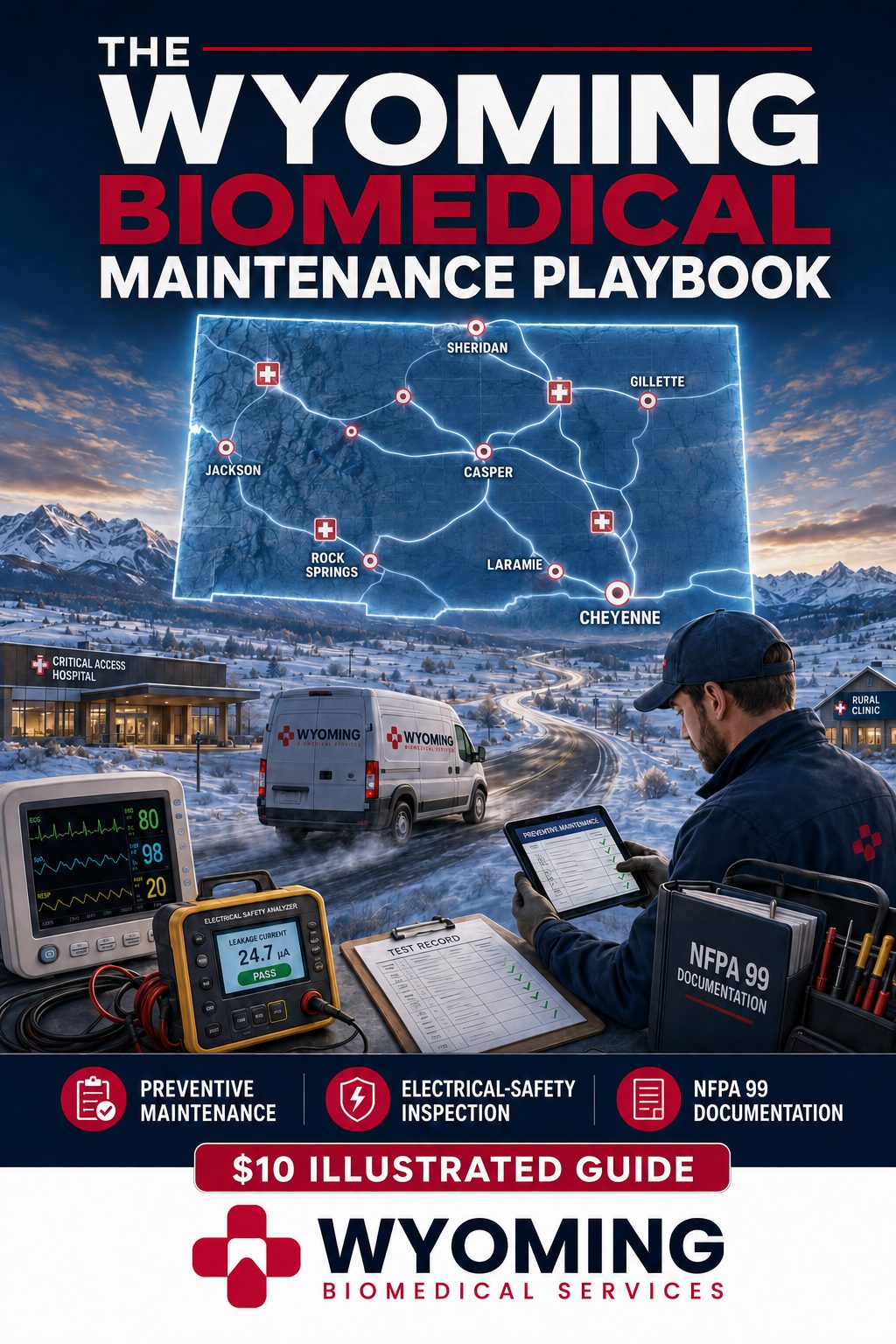
▶ Play full-screen Download the free e-book: The Wyoming Biomedical Maintenance Playbook

Field & Regulatory News

Real developments in health-technology management, dated this month and grounded in primary sources. Editorial commentary from our field engineers.

Educational

Rural-Frontier Biomed: Applying Joint Commission's 2026 Standards Across Wyoming's Critical-Access Hospitals

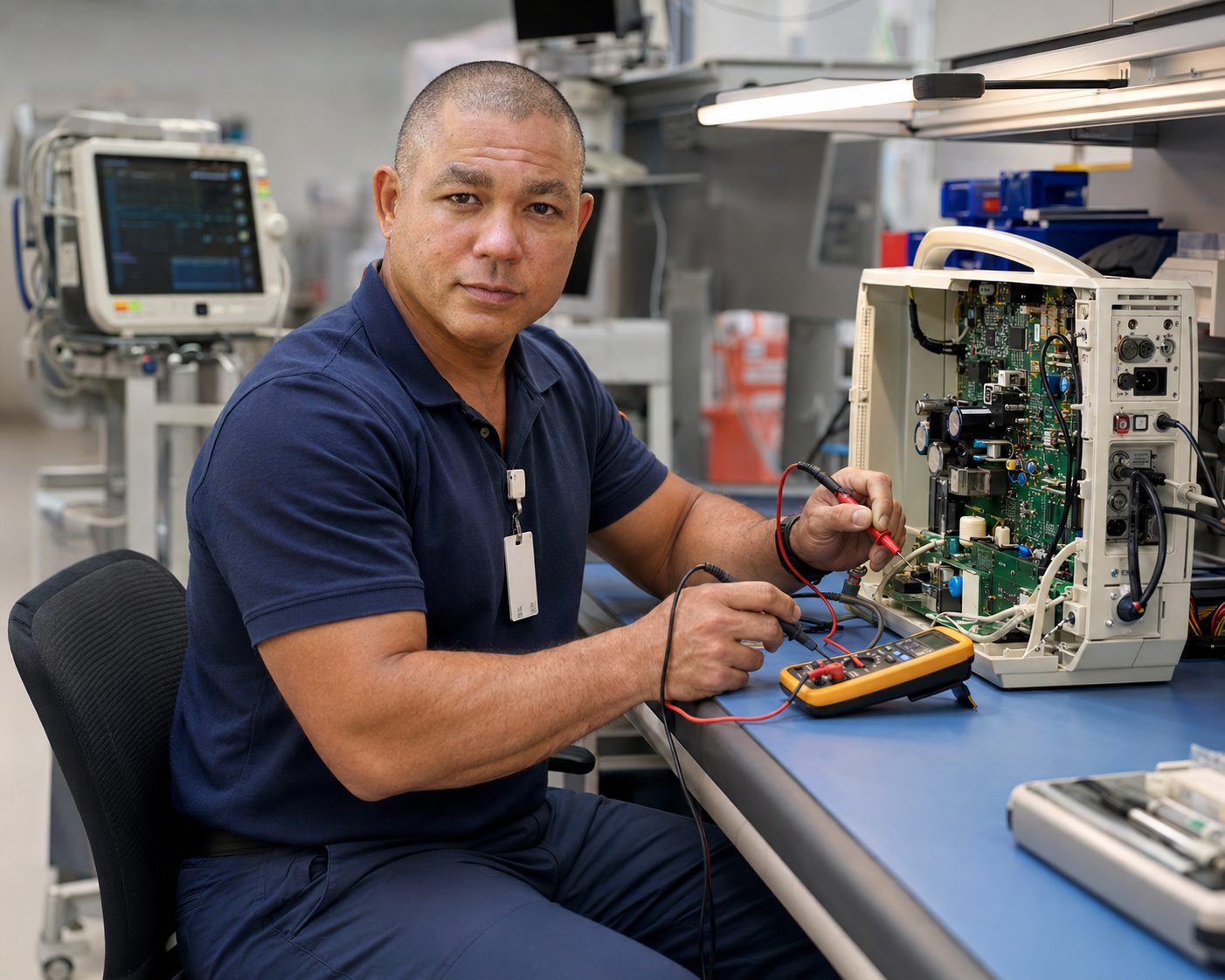
Beginning in 2025, The Joint Commission consolidated its longstanding Environment of Care (EC) and Life Safety (LS) requirements into a single Physical Environment (PE) chapter, a restructuring that carries into the 2026 accreditation cycle. For a frontier state like Wyoming — where a single biomedical technician may be responsible for equipment spread across hundreds of highway miles — the shift matters less because the expectations changed and more because surveyors increasingly look for demonstrated outcomes rather than a binder of completed checklists. A critical-access hospital is held to the same medical-equipment-management and utilities expectations as a large urban system, regardless of how many staff it employs.

In practice, that parity is achievable but only with deliberate planning. The equipment-management program still needs a current inventory, defined maintenance strategies, and documented completion of scheduled activity — the same core elements described in The Joint Commission's Environment of Care resources. What differs in the field is the logistics: parts have to be staged ahead of route visits, remote diagnostics have to substitute for a technician who cannot be on-site within the hour, and documentation has to travel with the equipment rather than living in a clinical-engineering office down the hall.

None of this replaces professional judgment or a facility's own accreditation counsel, and the specifics of any survey depend on the edition and standards in force at that site. Our aim here is narrower: to show how the same equipment-condition and record-keeping expectations that apply to a metropolitan hospital can be met by a rural facility through scheduled service routes, tightly coordinated on-site visits, and remote support between them.

Sources: The Joint Commission — Environment of Care; The Joint Commission — Standards; CMS — Conditions of Participation

July 9, 20268 min read
Informative

NFPA 99 Medical-Gas Requirements for Small and Frontier Facilities

NFPA 99, the Health Care Facilities Code, governs the performance, installation, testing, and maintenance of nonflammable medical gas and vacuum systems, and its Chapter 5 requirements apply whether a building holds four hundred beds or four. A frontier clinic still needs functioning zone valves that isolate the right area in an emergency, master and area alarms that annunciate correctly, and source equipment — manifolds, medical air compressors, and vacuum pumps — that is inspected and documented on schedule. Recent editions have added provisions such as an auxiliary source-valve connection to ease temporary medical-gas supply during outages, and the standard's development process continues to expand expectations around monitoring and, in later cycles, cybersecurity for connected systems.

The practical challenge for a small Wyoming facility is not understanding the code so much as sustaining it without a full clinical-engineering department. That is where a scaled checklist helps: verifying zone-valve labeling and accessibility, confirming alarm panels are tested and their signals traced to the correct sensors, checking that source-equipment maintenance and any required gas-purity or carbon-monoxide monitoring are current, and keeping the resulting records organized so they are surveyor-ready rather than reconstructed the week before an inspection.

Which edition of NFPA 99 actually applies is a jurisdictional question — CMS references a specific edition through rulemaking, and state adoption varies — so a facility should confirm the enforced edition before building its program. Treat the essentials above as a starting framework to discuss with your authority having jurisdiction, not as a substitute for the code text itself.

Sources: NFPA 99 — Health Care Facilities Code; NFPA 99 — Code Development; CMS — Conditions of Participation
July 16, 20267 min read
Field Notes

Field Note: 300 Miles Between Sites and a Ventilator That Couldn't Wait

A ventilator alarmed out at a remote Wyoming facility late in the day, with the nearest backup unit a half-day's drive away and no second respiratory therapist on shift. In situations like this the failure mode matters enormously: a ventilator alarm can signal anything from a routine, field-replaceable sensor fault to a condition that requires immediate transfer to a manual resuscitator. Our first job over the phone was to read the alarm codes with the on-site staff and rule out the emergencies before assuming the simple explanation.

The codes and the machine's self-test pointed to a flow-sensor fault — a common, well-documented wear item that healthcare providers are expected to manage under a device's maintenance instructions rather than a catastrophic failure. We confirmed the diagnosis, dispatched the replacement sensor overnight, and stayed on the line to walk the staff through the swap and post-repair verification, while a loaner ventilator rolled toward the site as insurance in case the fix did not hold. The patient stayed supported on the original device throughout.

The lesson we keep relearning is that distance, not difficulty, is the real adversary in frontier biomed. The technical repair was minor; what made it safe was preparation — spare flow sensors staged for the region, a loaner ready to move, and staff who had been coached on which alarms mean "call us" versus "bag the patient now." None of this substitutes for a facility's own emergency protocols or the manufacturer's service documentation, but it illustrates why we treat contingency planning, not just wrench time, as the core of rural equipment support.

Sources: FDA — Ventilators and Ventilator Accessories; FDA — Medical Devices; The Joint Commission — Environment of Care

July 24, 20266 min read

Let's keep your equipment online.

Tell us your facility, equipment, and city. We respond within one business hour during normal hours.

NFPA 99 in 2026: What Wyoming Facilities Should Watch

Where the Health Care Facilities Code stands this year — and why it matters for critical-access and rural hospitals.

Adoption still lags the current edition
Although newer editions of NFPA 99 have been published — with the current edition now the 2027 cycle — CMS has not yet updated its regulations past the 2012 edition through rulemaking, and states adopt editions unevenly. For Wyoming facilities, that means compliance obligations can differ by jurisdiction, so confirming which edition your surveyor enforces is the first step before any maintenance or documentation program is built.

Documentation and monitoring keep tightening

Recent NFPA 99 revisions carry practical weight for small hospitals: the auxiliary source-valve connection added to help facilities connect temporary medical-gas supply during emergencies, and a requirement for continuous carbon-monoxide detection in medical air systems. These are verification-and-documentation changes as much as equipment ones — exactly the surveyor-ready records our field engineers build into every preventive-maintenance visit across Wyoming's long service routes.

Free download · PDF

The Wyoming Biomedical Maintenance Playbook

A practical field guide to preventive maintenance, electrical-safety inspection, and NFPA 99 documentation for critical-access and rural Wyoming facilities. Free, no signup required.

Watch

Videos

The BiomedRx Network

Our Family of HTM Companies

The BiomedRx Network unites regional and specialty healthcare technology management companies—preventive maintenance, repair, calibration, electrical safety, and isolated power testing—under one trusted standard.

BR
BiomedRx
Flagship · National HTM
BN
BiomedRx Network
Field-Service Network
BF
BiomedRx Federal
Federal · VA / DoD
AB
Aloha Biomedical
Hawaii
AZ
Arizona Biomedical Services
Arizona
CA
California Biomedical Services
California
CH
Chicago Biomedical Services
Chicago, IL
CO
Colorado Biomedical Services
Colorado
ID
Idaho Biomedical Services
Idaho
IL
Illinois Biomedical Services
Illinois
LA
Louisiana Biomedical Services
Louisiana
NV
Nevada Biomedical Services
Nevada
NM
New Mexico Biomedical Services
New Mexico
NY
New York Biomedical
New York
OR
Oregon Biomedical Services
Oregon
TX
Texas Biomedical Services
Texas
UT
Utah Biomedical Services
Utah
WA
Washington Biomedical Services
Washington
You are here
WY
Wyoming Biomedical Services
Wyoming
AN
Anesthesia Equipment Maintenance
Specialty · Anesthesia
DC
Dialysis Center Maintenance
Specialty · Dialysis
IP
Isolated Power System
Specialty · IPS / LIM
MF
Medical Field Service
Specialty · OEM Field Service
MI
Medical Imaging Equipment Maintenance
Specialty · Imaging
SC
Surgery Center Maintenance
Specialty · ASC
IN
BiomedRx Institute
Training & Certification
TE
BiomedRx Technology
HealthTech / Software
FAQ

Frequently Asked Questions

What biomedical equipment services does Wyoming Biomedical Services provide?
We provide preventive maintenance, corrective repair, calibration, electrical safety inspection, and isolated power system (IPS) testing for hospitals, surgery centers, and clinics.
Are your biomedical technicians certified?
Yes. Our BMETs are certified and our work follows Joint Commission, CMS, and NFPA 99 standards so your facility stays survey-ready.
How fast can you respond to an equipment failure?
We offer scheduled preventive maintenance plus priority on-call service to minimize downtime on critical medical equipment.
Do you help with regulatory compliance and documentation?
We do. Every service includes the documentation you need for Joint Commission, CMS, and NFPA 99 surveys.
How do I request service or a quote?
Call (424) 204-2382 or email info@wyomingbiomedicalservices.com and our team will schedule an assessment.
Devin Lockett, Founder
About the Founder

Devin Lockett

Devin Lockett is the founder and entrepreneur behind this venture and the wider BiomedRx family of companies—spanning healthcare technology, wellness, media, and community initiatives. He builds brands focused on quality, service, and independent ownership.

Shop

Recommended on Amazon

As an Amazon Associate we earn from qualifying purchases. Prices and availability are subject to change.

Get cash back when you join Amazon Prime
View on Amazon →
Introduction to Medical Equipment Repair
View on Amazon →
Biomedical Device Technology
View on Amazon →
Biomedical Device Technology
View on Amazon →
CBET Exam Study Guide
View on Amazon →
CBET Exam Flash Cards
View on Amazon →
Repair and Maintenance of Medical Devices
View on Amazon →
Biomedical Equipment Technician
View on Amazon →
Biomedical Equipment Maintenance and Safety
View on Amazon →
Medical Equipment Maintenance Management and Oversight
View on Amazon →
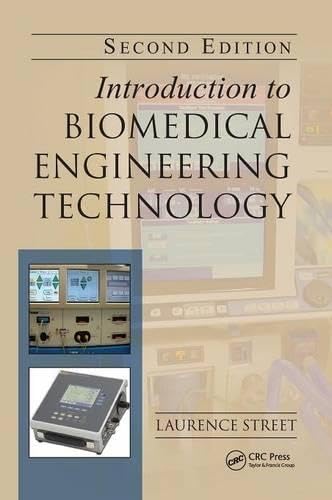
Introduction to Biomedical Engineering Technology
View on Amazon →
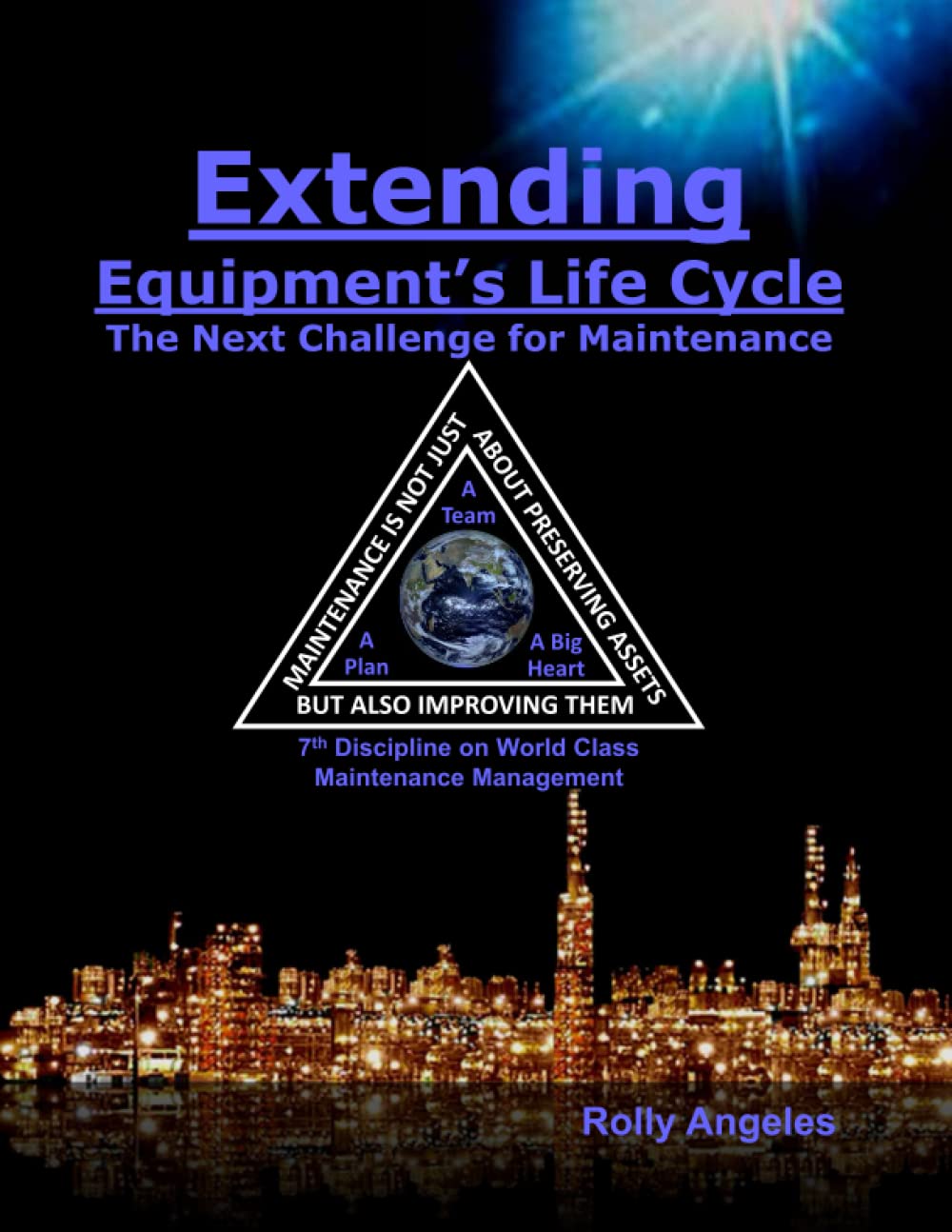
Extending Equipment's Life Cycle
View on Amazon →
CBET Exam Study Guide 2025-2026
View on Amazon →
CBET Exam Study Guide 2025-2026
View on Amazon →
CBET Exam Study Guide 2025-2026
View on Amazon →
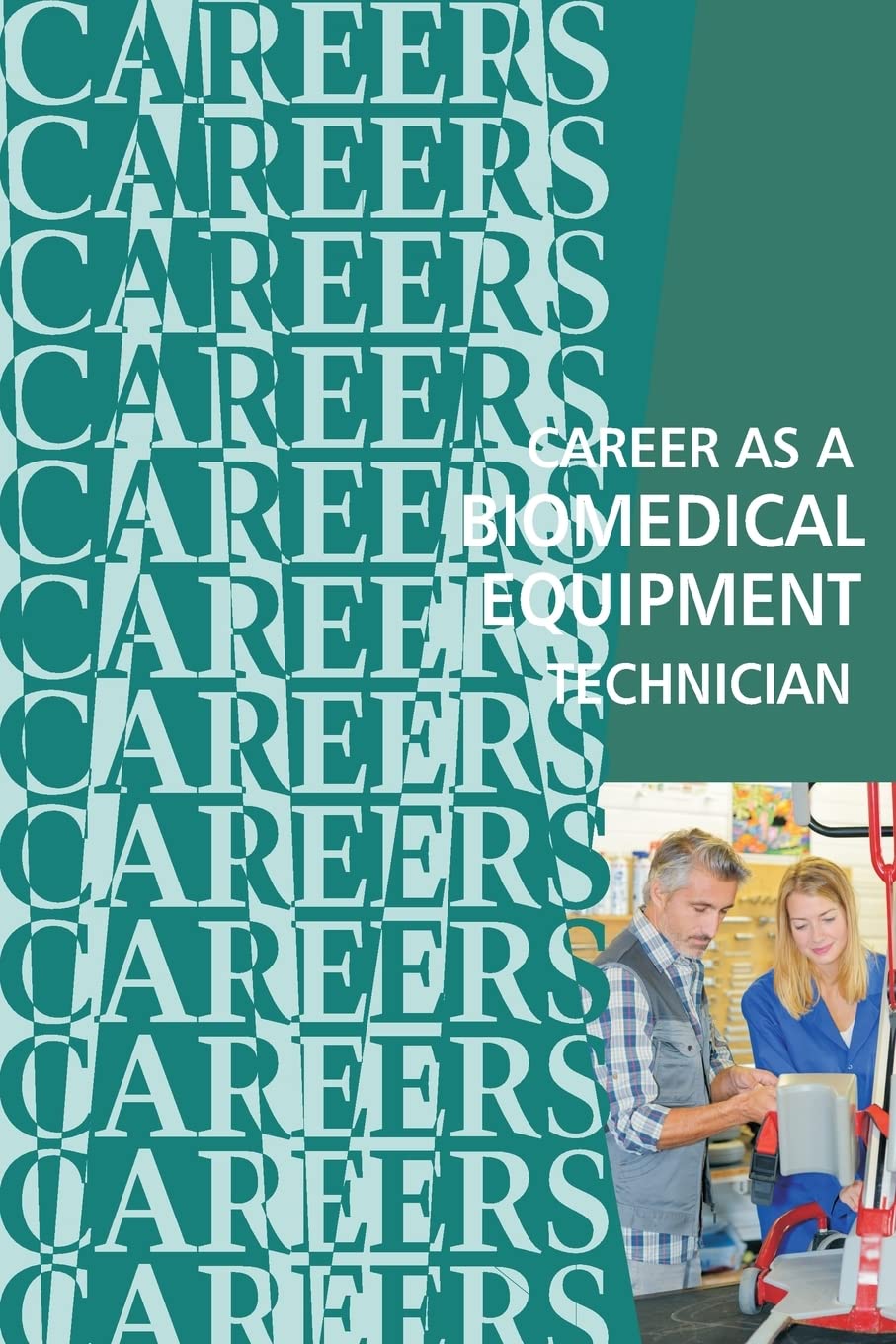
Careers as a Biomedical Equipment Maintenance Technician
View on Amazon →
CRES Exam Flash Cards
View on Amazon →
CRES Exam Study Guide 2025-2026
View on Amazon →
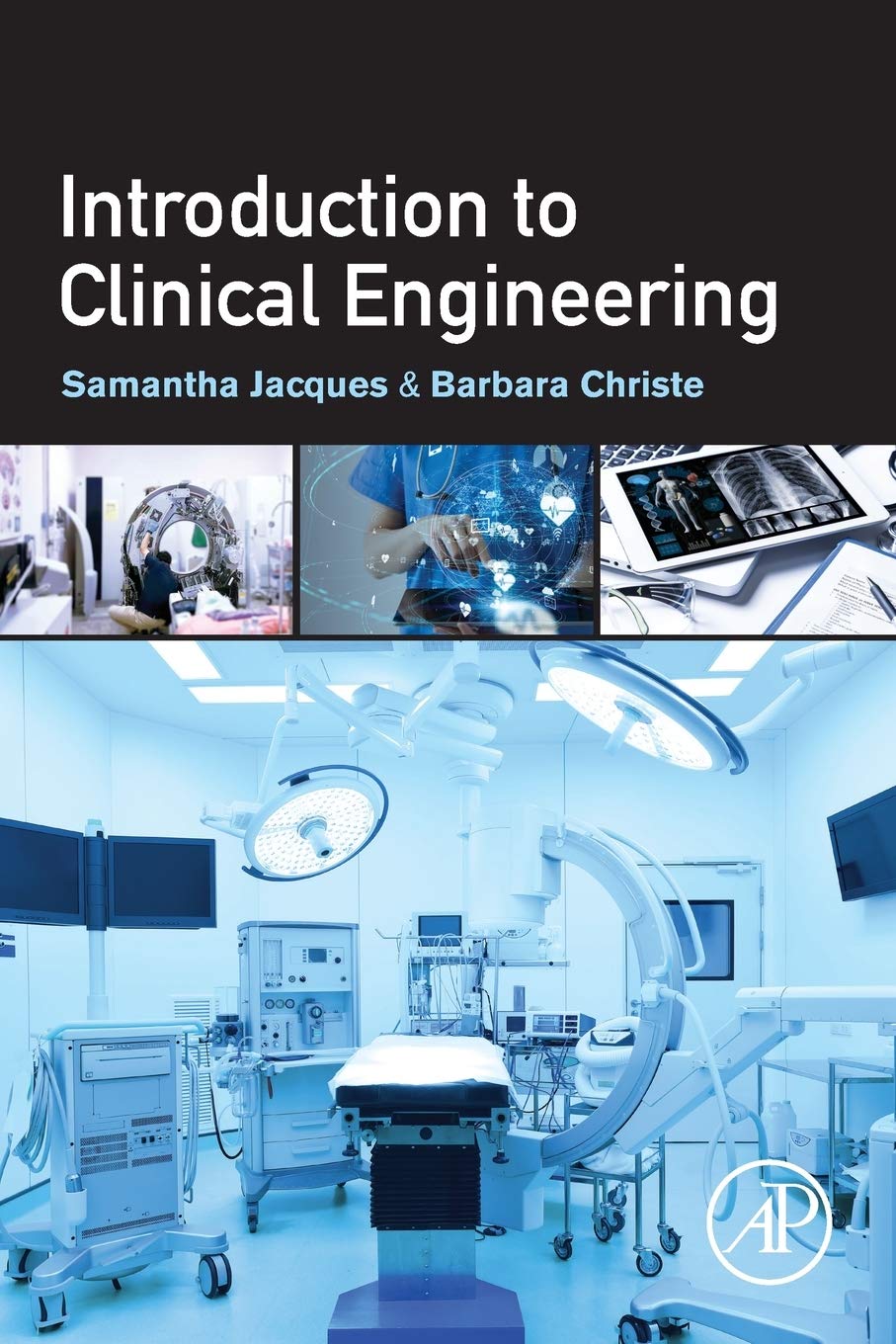
Introduction to Clinical Engineering
View on Amazon →
Biomedical Engineering Fundamentals
View on Amazon →
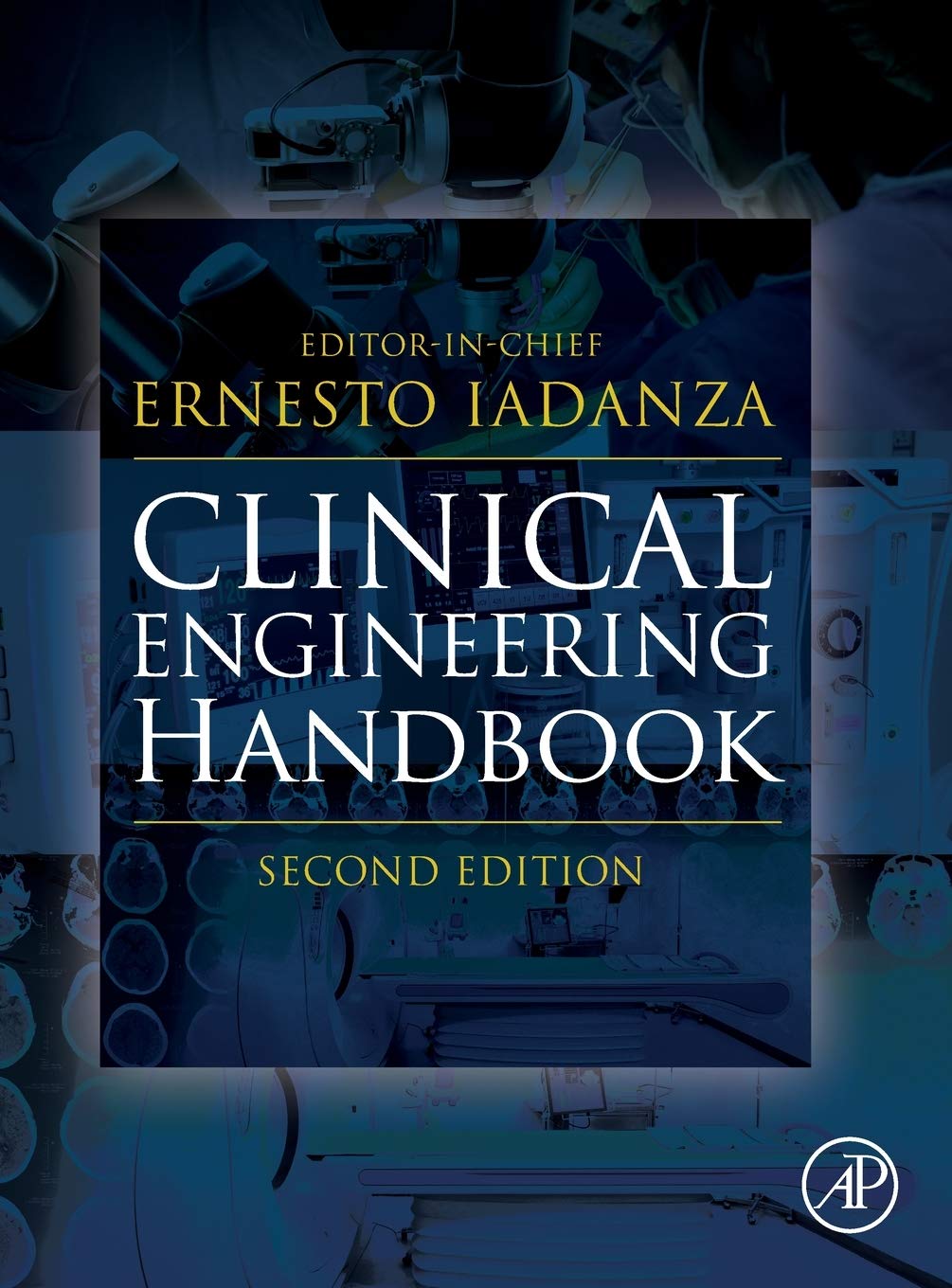
Clinical Engineering Handbook
View on Amazon →
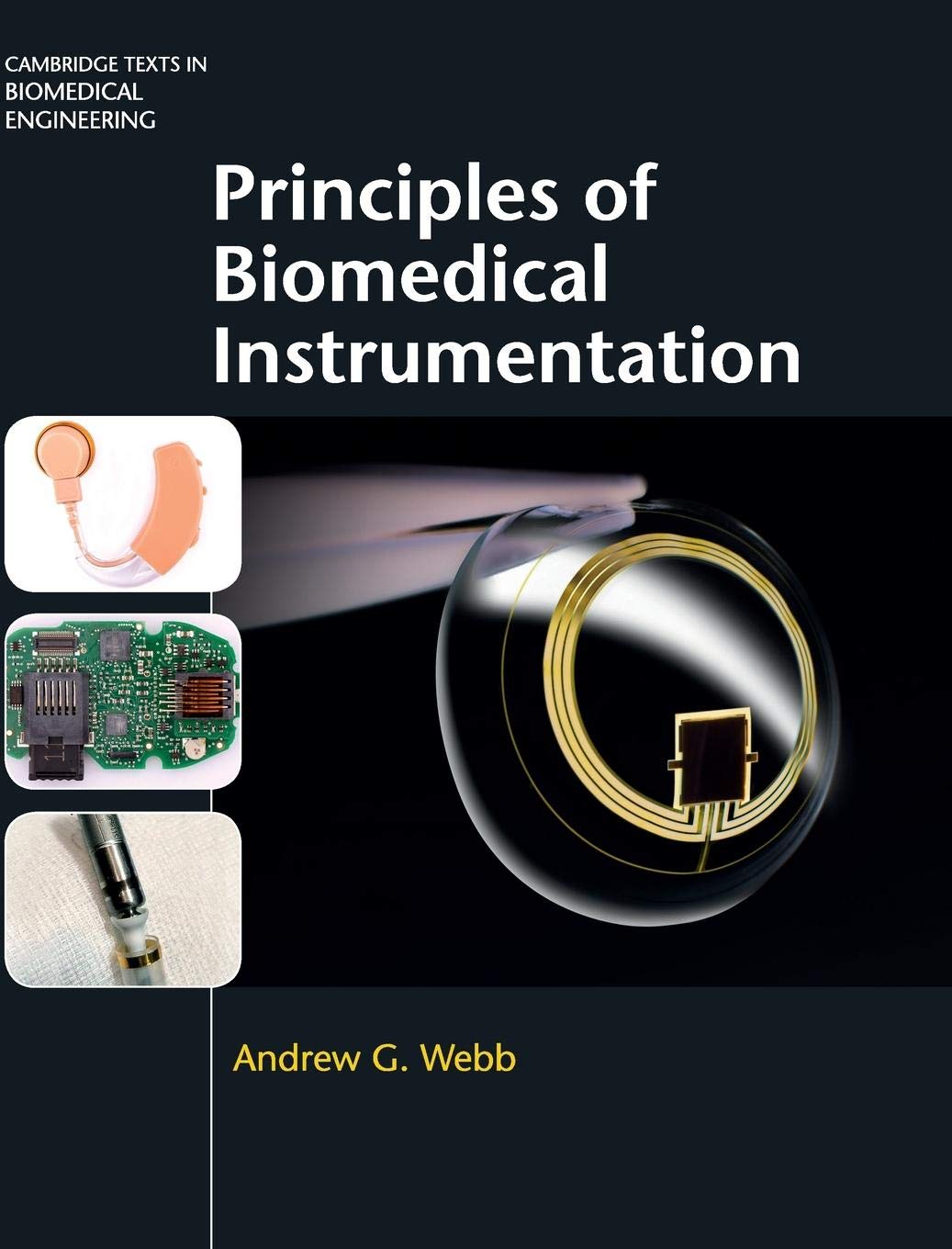
Principles of Biomedical Instrumentation
View on Amazon →
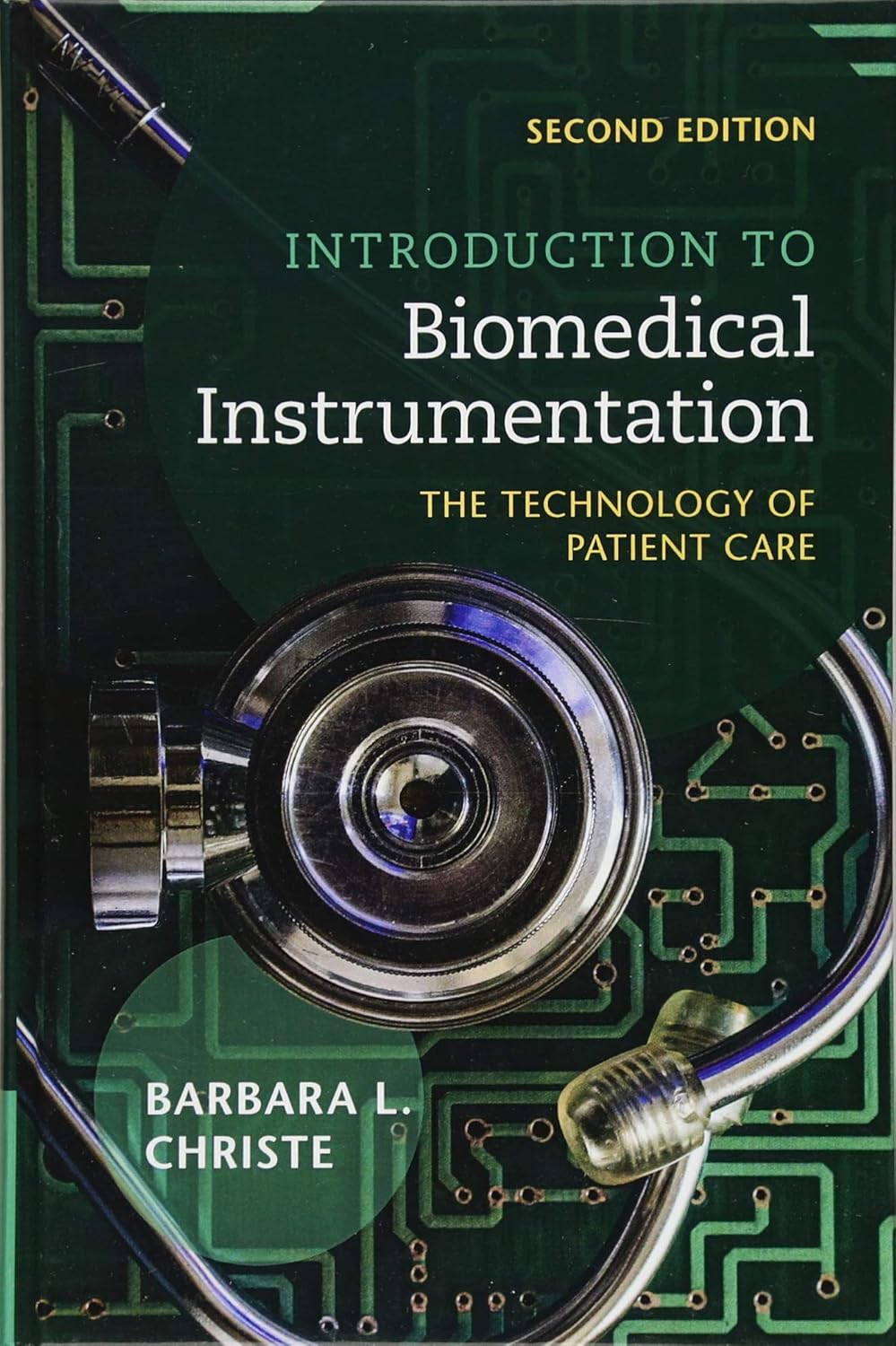
Introduction to Biomedical Instrumentation
View on Amazon →
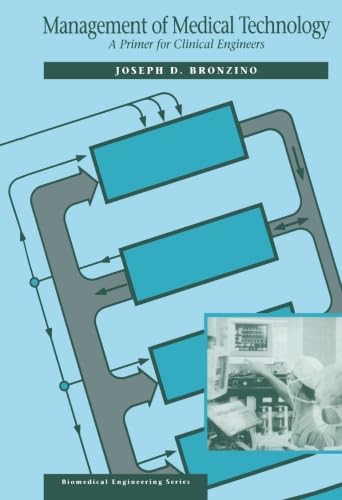
Maintenance of Medical Technology
View on Amazon →
Introduction to Biomedical Engineering Technology
View on Amazon →
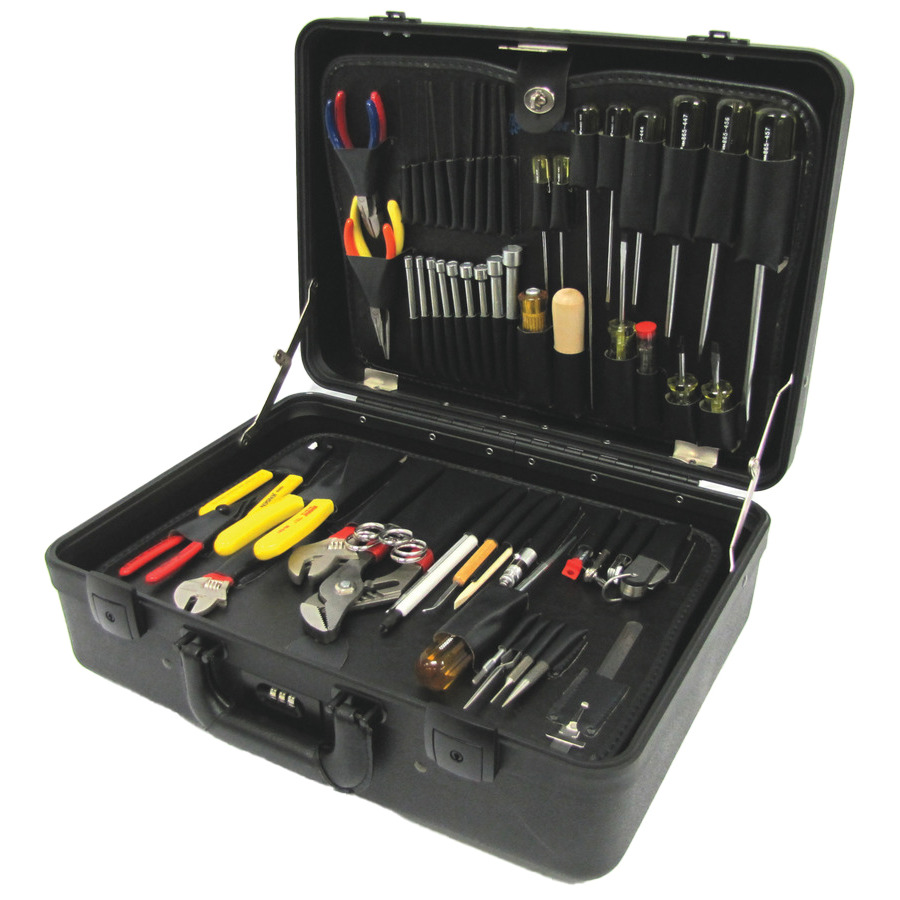
Jensen Biomedical Equipment Maintenance Technician Toolkit
View on Amazon →
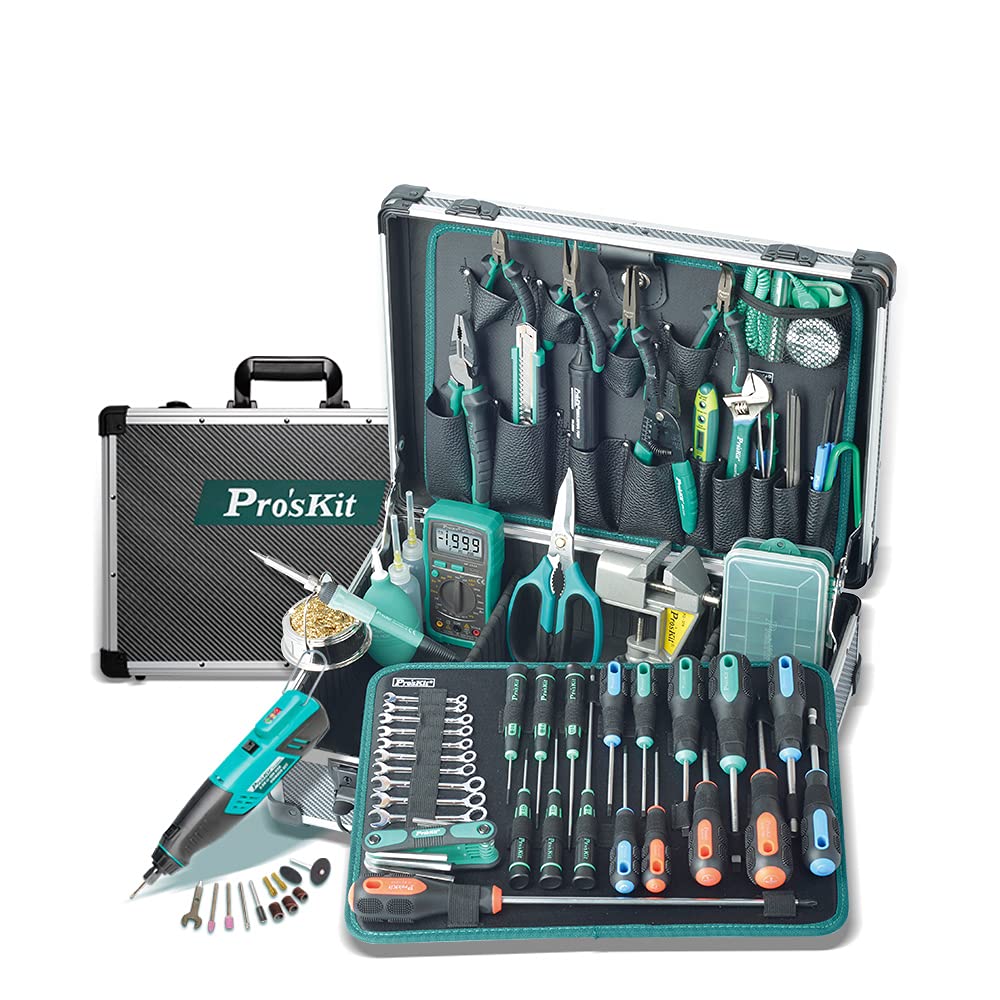
Pro's Kit Electronics Toolkit
View on Amazon →
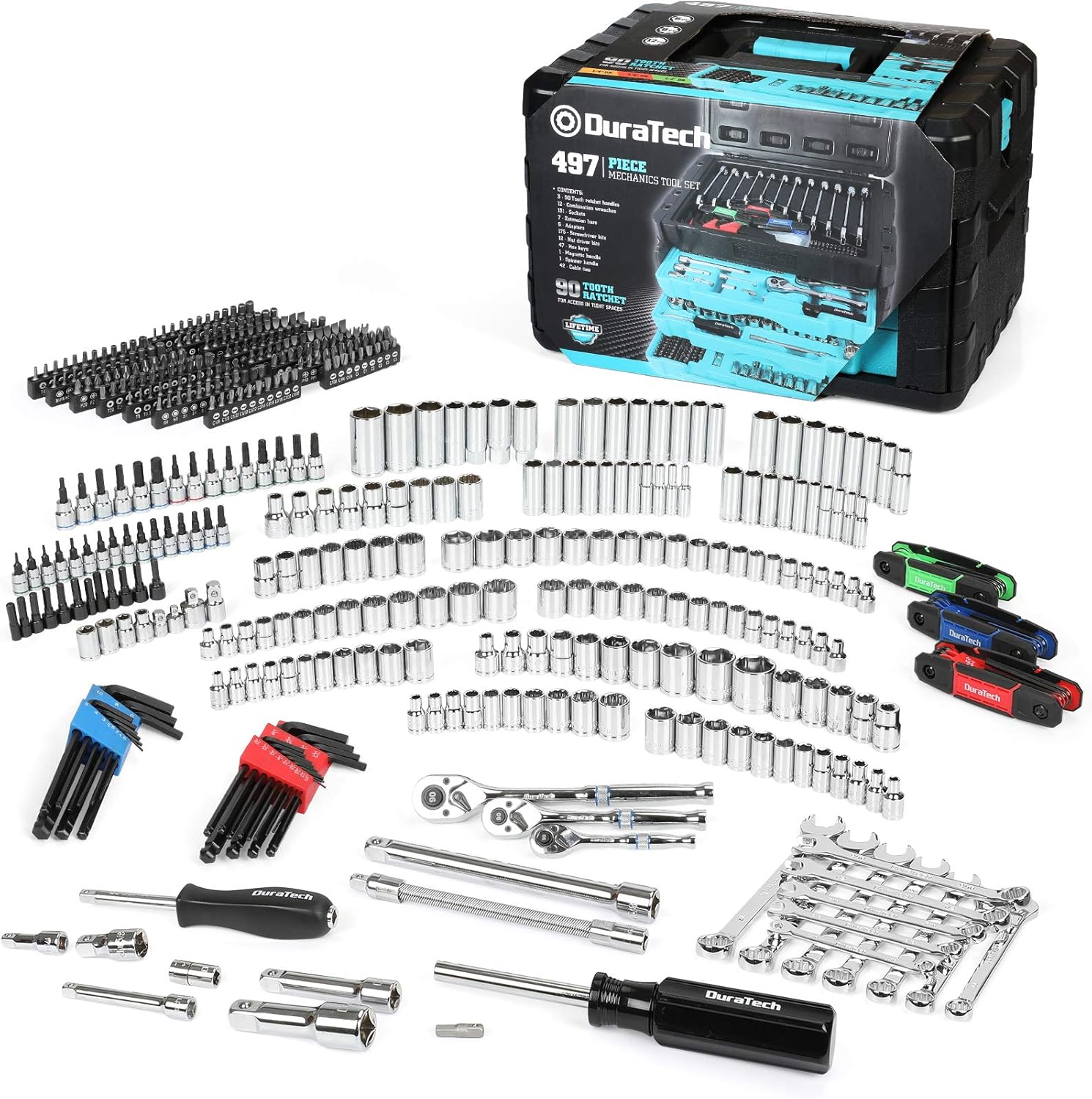
Duratech 497-Piece Mechanics Toolkit
View on Amazon →